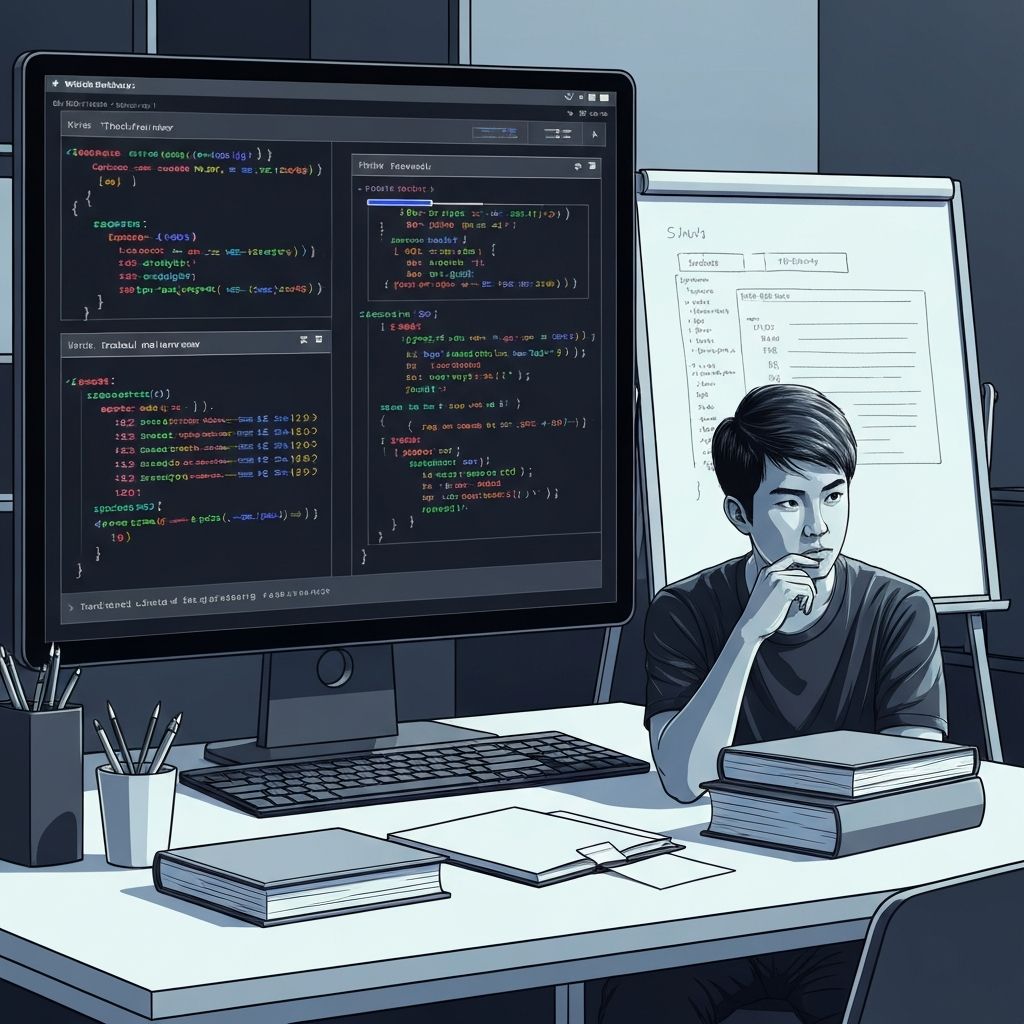
Technical interviews are meant to identify strong engineers. In practice, they often do something else.
They reward memorization, speed, and confidence under pressure—qualities that don't always translate to real-world performance. As teams hire remotely and globally, this gap has become harder to ignore.
The Problem With Interview-Style Testing
Many technical interviews are built around artificial conditions. Candidates are asked to solve problems they would never encounter in their actual role, under time pressure, without tools they normally use.
This tests how someone performs in an interview—not how they work day to day.
Strong engineers who think carefully or work iteratively are often filtered out. Candidates who are comfortable with interview patterns perform well, even if their on-the-job performance is inconsistent.
Interviewer Bias Is Built In
Technical interviews depend heavily on the interviewer.
Different interviewers value different approaches, prefer different solutions, and interpret answers differently. Even when the same question is asked, evaluation varies widely.
This makes comparisons unreliable and outcomes hard to justify—especially when hiring across teams or regions.
Real Engineering Work Looks Different
In real work, engineers:
- •Use documentation and tools
- •Take time to think through trade-offs
- •Collaborate asynchronously
- •Optimize for maintainability, not speed
Traditional technical interviews rarely reflect this reality.
What Better Technical Evaluation Looks Like
Better technical evaluation focuses on how candidates think, not how fast they answer.
That means structured, role-relevant assessments that mirror real work. Clear evaluation criteria matter more than clever questions. Consistency matters more than difficulty.
When evaluation is structured, results become easier to trust and easier to compare.
Where AI Can Help—Carefully
AI can support technical evaluation by standardizing assessments and reducing interviewer variation. Used correctly, it helps surface real skill signals early without replacing human judgment.
This is the approach platforms like Omnivoo take—supporting skills-first, structured evaluation rather than interview theatrics.
Technical interviews aren't broken because engineering is hard. They struggle because they test the wrong things.
Hiring improves when evaluation reflects how work actually gets done.