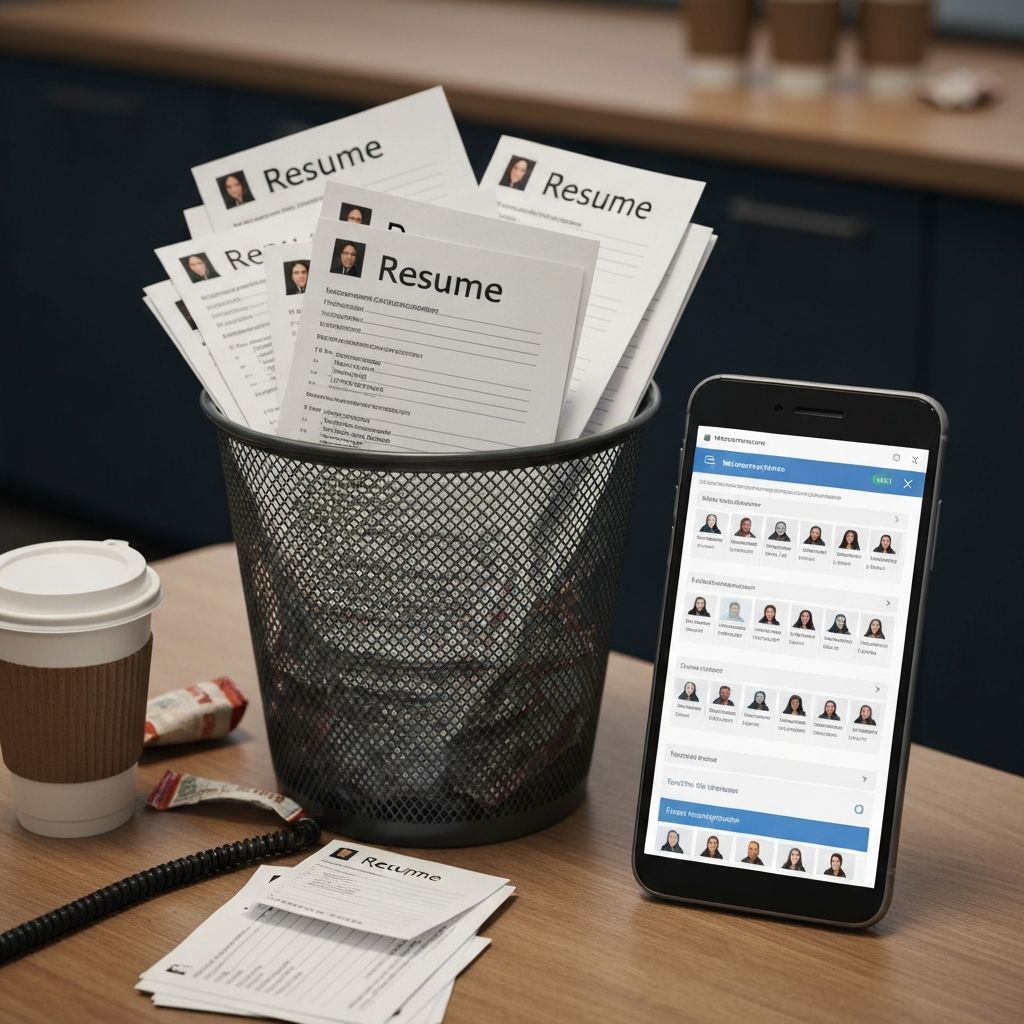
Resume-based hiring is still the default for many teams. It feels fast, familiar, and easy to scale. In practice, it often does the opposite.
Instead of speeding hiring up, resumes introduce noise early in the process—forcing teams to spend more time filtering, debating, and correcting decisions later.
The Illusion of Speed
Resumes are quick to scan, but hard to interpret.
Hiring teams spend hours reviewing profiles that look good on paper but don't translate into real performance. Strong candidates get filtered out because their background doesn't look familiar, while weaker matches move forward because they fit expected patterns.
What looks like speed at the top of the funnel often turns into delay further down.
Too Many Candidates, Too Little Signal
Resume-based hiring encourages volume.
When resumes are the main filter, teams compensate for weak signal by reviewing more profiles, adding more interviews, and involving more people. Each step adds time and increases decision fatigue.
The result is longer hiring cycles and more internal debate—without better outcomes.
Resumes Push Problems Downstream
When hiring decisions rely heavily on resumes, real evaluation happens late.
Skills are tested after multiple interviews. Misalignment shows up during onboarding. Performance issues appear only after someone is hired.
By the time problems surface, they are expensive to fix.
Skills-Based Hiring Moves Signal Earlier
Skills-based hiring changes where evaluation happens.
Instead of guessing early and validating late, it brings real signal forward. Candidates are assessed on relevant skills sooner, using consistent criteria. This reduces false positives and shortens decision-making.
Hiring becomes faster not because steps are removed, but because uncertainty is reduced.
Where Structure Makes the Difference
Speed in hiring comes from clarity.
When teams clearly define what they're looking for and evaluate candidates against those expectations, decisions become easier to make and easier to justify.
This is why platforms like Omnivoo focus on structured, skills-first hiring. Reducing noise early is the most reliable way to move faster without lowering the bar.
Resume-based hiring feels efficient because it's familiar. In reality, it pushes complexity downstream and slows teams where it matters most.
Hiring moves faster when signal replaces summaries.